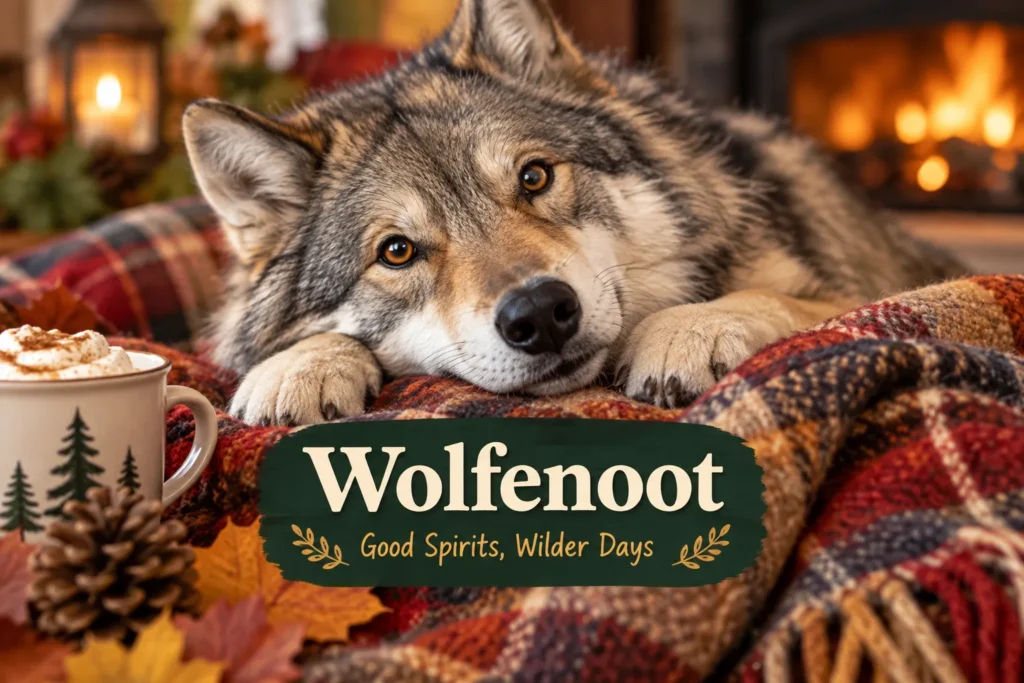
Wolfenoot
Wolfenoot is observed on November 23, with a focus on wolves, dogs and the people who care for them. It’s a playful modern observance often marked with small gifts or treats for dogs, along with stories and activities inspired by wolves.
How Wolfenoot started
Wolfenoot began as a family-created celebration in New Zealand. Its origin is linked to a young child who wanted a day for wolves, and the idea spread online as families shared ways to mark it. The observance isn’t a public holiday, and its customs are informal.
At the heart of Wolfenoot is a simple idea: show kindness to dogs and appreciation for wolves. Some people treat it as a chance to support animal welfare, while others enjoy the imaginative side of the day, including wolf-themed decorations and stories.
Wolves, dogs and the meaning of the day
Wolves and domestic dogs are closely related members of the canine family, though they live very different lives. Wolves are wild animals with their own social groups and habitats. Dogs have lived alongside people for thousands of years, taking on many roles in homes and communities.
That connection gives Wolfenoot room for both fun and thoughtful learning. A story about wolves can lead to a conversation about wildlife, habitats and why wild animals need space. For children, it can also be a gentle way to distinguish between a familiar pet and a wild animal that shouldn’t be approached or fed.
There’s no single required way to observe Wolfenoot. Families might exchange small presents, make a wolf-shaped craft or choose a book featuring wolves. Some include a “moon” theme, inspired by the observance’s folklore, while others keep things simple with extra attention for a beloved dog.
Ways to celebrate Wolfenoot
- Give your dog a safe treat or a new toy. Check that any food is suitable for dogs, and keep human snacks that may be harmful well out of reach.
- Read a wolf or dog story together. Afterward, talk about how wild wolves differ from pets and why wildlife should be observed from a distance.
- Make a paper wolf mask, draw a moonlit forest or decorate a dog-shaped biscuit for a craft activity.
- Help a local animal shelter by checking its wish list, sharing information about adoptable animals or asking what supplies it currently needs.
- If you’re out walking with a dog, keep it leashed where required and give wildlife plenty of space. A quiet, respectful walk can fit the day just as well as a themed party.
Last updated November 18, 2026.
When is Wolfenoot?
Wolfenoot: Every year on November 23.
| Year | Date | Day of the week |
|---|---|---|
| 2026 | November 23 | Monday |
| 2027 | November 23 | Tuesday |
| 2028 | November 23 | Thursday |
| 2029 | November 23 | Friday |
| 2030 | November 23 | Saturday |
📄 Free printable 2027 holiday calendar · 📅 Every holiday in 2027, month by month
Frequently asked questions
When is Wolfenoot in 2026?
Wolfenoot is on Monday, November 23, 2026. After that, it falls on Tuesday, November 23, 2027. Every year on November 23.
Is Wolfenoot a public holiday?
No. Wolfenoot is an observance, not an official public holiday, so schools and businesses stay open as usual.
What is Wolfenoot?
Wolfenoot is an annual observance on November 23 that focuses on wolves, dogs and the people who care for them. It encourages kindness to dogs and appreciation for wolves.
How did Wolfenoot start?
Wolfenoot began as a family-created celebration in New Zealand, inspired by a young child who wanted a day for wolves. The exact origin isn't well documented, and the idea later spread online.
How can you celebrate Wolfenoot?
You can give your dog a safe treat or toy, read a wolf story, make a themed craft or support a local animal shelter. Keep dogs leashed where required and observe wild animals from a distance.