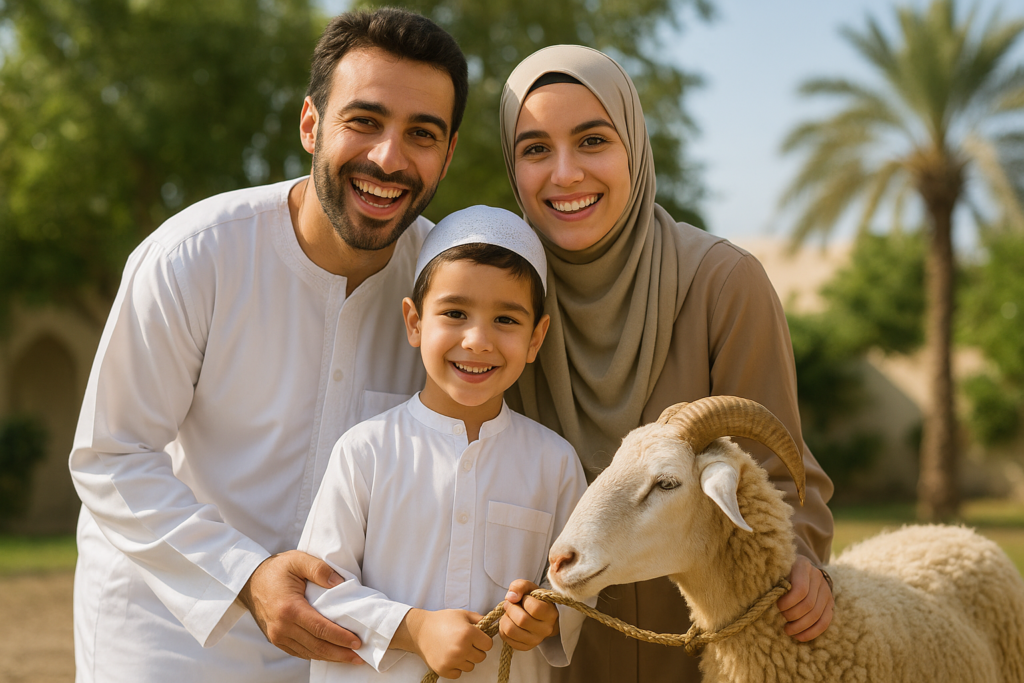
Eid al-Adha
Understanding Eid al-Adha: A Celebration of Sacrifice
Eid al-Adha, often referred to as the “Festival of Sacrifice,” is one of the most significant holidays in the Islamic calendar. Celebrated by Muslims around the world, this day honors the willingness of Prophet Ibrahim (Abraham) to sacrifice his son in obedience to God’s command. Observed on the 10th day of Dhu al-Hijjah, the last month of the lunar Islamic calendar, Eid al-Adha aligns with the Hajj pilgrimage, one of the five pillars of Islam.
A Brief History of Eid al-Adha
The story behind Eid al-Adha is derived from Islamic tradition. It commemorates the moment when Ibrahim was instructed to sacrifice his son, Isma’il (Ishmael). Just as he was about to carry out this command, a ram was provided by God as a substitute for the sacrifice. This event symbolizes submission to God’s will and the spirit of giving and charity.
Eid al-Adha has roots that reflect the values of sacrifice and community. It reminds Muslims of their commitment to faith and the importance of helping those in need. Over the years, the celebration has evolved, cultivating various traditions and customs in different cultures.
Why Eid al-Adha Matters
Eid al-Adha serves several important purposes in the Islamic faith, including:
- Spiritual Reflection: The day is marked by prayer and reflection, allowing individuals to express gratitude for the blessings in their lives.
- Acts of Charity: One of the main components of Eid al-Adha is the practice of Qurbani, which is the ritual sacrifice of an animal. The meat from the sacrifice is distributed to family, friends, and those in need, emphasizing community and charity.
- Family and Community Bonds: This holiday brings families together, fostering unity and communal joy through shared meals and festivities.
Fun Facts About Eid al-Adha
Here are some interesting tidbits about Eid al-Adha that you can share with friends and family:
- The festival is also known as “Bakra Eid” in many countries, derived from the word “Bakri,” which means goat in Urdu, due to the common practice of using sheep or goats for the Qurbani.
- In some cultures, children particularly enjoy this day, often receiving money and gifts from relatives and friends.
- The exact date of Eid al-Adha varies each year and by location, as it is based on the lunar Islamic calendar.
- The holiday is celebrated in different ways around the world. For instance, in Turkey, it is common for families to gather and enjoy a feast of traditional dishes, while in other countries, communities organize public prayers and festivities.
Ways to Celebrate Eid al-Adha
Celebrating Eid al-Adha can be a joyous occasion for families, friends, and communities. Here are some wonderful ways to observe the holiday:
- Participate in Prayers: Begin the day with a special congregational prayer, usually held in large open areas or mosques.
- Perform Qurbani: If able, consider participating in the tradition of sacrificing an animal. Many families do this together, while others may choose to donate to organizations that facilitate the process.
- Host a Feast: Prepare and share meals with loved ones. Traditional dishes vary by culture, so this is a great opportunity to explore new culinary delights!
- Give to the Needy: In the spirit of charity, make donations to local food banks or charities to help those less fortunate enjoy a festive meal.
- Dress in Traditional Attire: Wearing new garments, often in bright colors, is a customary part of the celebration. Embrace this by dressing in traditional clothing from your cultural background!
Conclusion
Eid al-Adha is more than just a festival; it’s a cherished time for reflection, gratitude, and community spirit. Whether you’re observing the holiday at home or connecting with neighbors and friends, embracing the values of love, sacrifice, and giving can help make this Eid a memorable experience for everyone. So, this May 27th, step into the joy of Eid al-Adha and celebrate the bonds of family, faith, and generosity!
When is Eid al-Adha?
- Monday, May 17, 2027
Dates for lunar and religious calendars can differ by a day depending on region, tradition and moon sighting.