Columbus Day / Indigenous Peoples’ Day
Understanding Columbus Day and Indigenous Peoples’ Day
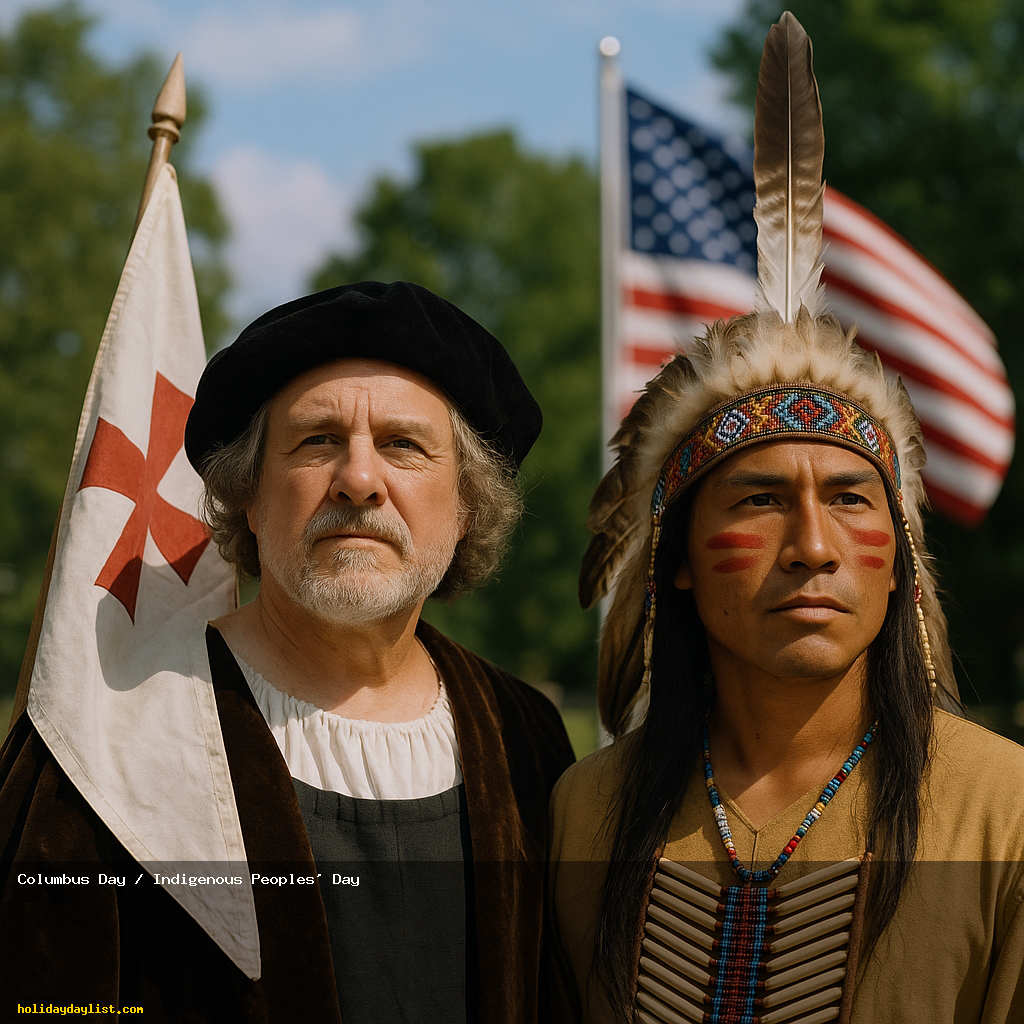
Every year, on the second Monday of October, a complex observation takes place in the United States: Columbus Day and Indigenous Peoples’ Day. While Columbus Day celebrates Christopher Columbus’s arrival in the Americas in 1492, Indigenous Peoples’ Day honors the Native American communities affected by European colonization. This dual recognition has sparked important discussions, making the day a moment for education, reflection, and community engagement.
A Brief History
Columbus Day was first celebrated in the United States in the 18th century and became an official federal holiday in 1937. Initially, it was intended as a way to commemorate Italian American heritage and the achievements of Columbus as the man credited with discovering the New World.
On the other hand, Indigenous Peoples’ Day emerged much later, with the first official recognition in South Dakota in 1990. The day serves as a reminder of the history and cultures of Native American tribes, highlighting their resilience and the impact of colonization. Over the years, more states and cities have adopted Indigenous Peoples’ Day, recognizing the need to honor both histories and the diverse narratives that make up our shared past.
Why It Matters
Both Columbus Day and Indigenous Peoples’ Day matter for different reasons. Columbus Day may still hold significance for some, particularly as a celebration of Italian American heritage. However, it’s essential to critically assess the legacy of colonization and its effects on Indigenous communities.
Indigenous Peoples’ Day serves as an opportunity to acknowledge the suffering and injustice faced by Native cultures due to European expansion. It encourages education and empathy, fostering a more nuanced understanding of American history. By recognizing both days, we can engage in deeper dialogues and promote awareness around social justice, cultural preservation, and healing.
Fun Facts
- Columbus is often credited with “discovering” the Americas, yet Indigenous peoples had lived there for thousands of years prior to his arrival.
- Different Native tribes have their own distinct cultures, beliefs, and histories; there isn’t a single “Native American” story.
- In some parts of the country, you might find level-headed discussions amongst citizens on how to celebrate both days together.
- Many schools and institutions have started to incorporate lessons about Native American history, offering insights into their rich cultures and traditions.
Ways to Celebrate
Whether you choose to observe Columbus Day or Indigenous Peoples’ Day, here are some meaningful ways to celebrate and engage with the day:
- Educate Yourself: Take some time to read books or watch documentaries about Native American histories and cultures. Understanding different perspectives can help foster appreciation and respect.
- Participate in Local Events: Look for events in your area that focus on Indigenous Peoples’ Day. Many communities host powwows, cultural presentations, and discussions, providing a fantastic opportunity to learn and connect.
- Support Indigenous Artists and Businesses: Consider purchasing art, crafts, or other products from Native American creators. This not only shows support but helps keep their traditions alive.
- Engage with Your Community: Organize or join discussions in schools, community centers, or local organizations that allow for an open dialogue about the histories of both days.
- Practice Reflection: Take a moment for personal reflection on how these histories impact individuals today. Consider the importance of empathy and understanding in bridging cultural divides.
Last updated October 21, 2026.
When is Columbus Day / Indigenous Peoples’ Day?
Columbus Day / Indigenous Peoples’ Day: Every year on the second Monday of October.
| Year | Date | Day of the week |
|---|---|---|
| 2027 | October 11 | Monday |
| 2028 | October 9 | Monday |
| 2029 | October 8 | Monday |
| 2030 | October 14 | Monday |
| 2031 | October 13 | Monday |
Frequently asked questions
When is Columbus Day / Indigenous Peoples’ Day in 2027?
Columbus Day / Indigenous Peoples’ Day is on Monday, October 11, 2027. After that, it falls on Monday, October 9, 2028. Every year on the second Monday of October.
Is Columbus Day / Indigenous Peoples’ Day a public holiday?
Yes. Columbus Day / Indigenous Peoples’ Day is an official public holiday where it is observed, so government offices and many schools and businesses may be closed. Closures vary by region and employer.
What do Columbus Day and Indigenous Peoples’ Day commemorate?
Columbus Day commemorates Christopher Columbus’s arrival in the Americas in 1492 and may also celebrate Italian American heritage. Indigenous Peoples’ Day honors Native American communities, their histories and cultures, and recognizes the effects of European colonization.
How did Columbus Day and Indigenous Peoples’ Day begin?
Columbus Day was first celebrated in the United States in the 18th century and became a federal holiday in 1937. Indigenous Peoples’ Day was first officially recognized in South Dakota in 1990.
How can people observe Indigenous Peoples’ Day or Columbus Day?
You can learn about Native American histories and cultures, attend local cultural events or discussions, and support Indigenous artists and businesses. The day can also be a time to reflect on the impact of colonization and the different histories being recognized.
Sources
- DC Department of Human Resources: Legal Public Holidays 2026
- U.S. Government Publishing Office: U.S. Code, Title 36, § 107—Columbus Day
✓ Date matches DC Department of Human Resources: Legal Public Holidays 2026 (checked automatically on October 12, 2026).