Disarmament Week
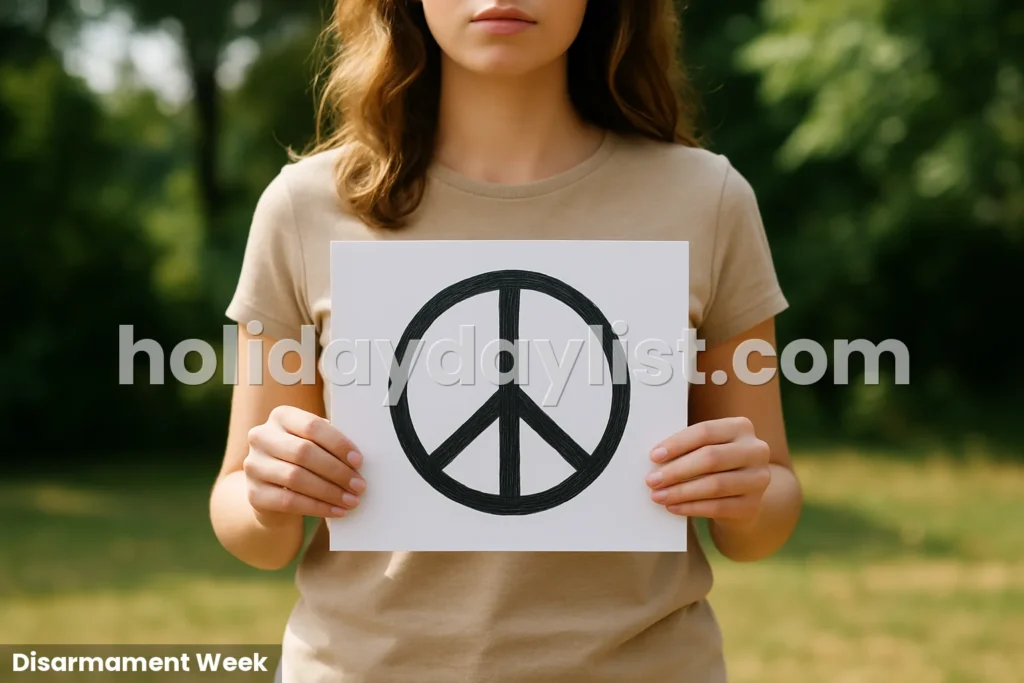
Disarmament Week begins on October 24 and lasts for 7 days. The United Nations’ annual observance promotes awareness and understanding of disarmament issues and their importance. It offers a chance to learn about disarmament, reflect on the human costs of armed conflict, and consider how communities can support a safer, more peaceful world.
How Disarmament Week started
According to the United Nations, Disarmament Week was first called for in the Final Document of the General Assembly’s 1978 special session on disarmament. It begins on October 24, the anniversary of the founding of the United Nations. The UN General Assembly later invited governments and non-governmental organizations to continue taking an active part in the observance and promote public understanding of disarmament issues.
The observance encourages people and governments to consider how disarmament and arms control can help maintain international peace and security, protect civilians, foster trust, and prevent or end armed conflict. Its focus is broad, including weapons of mass destruction, conventional arms, and emerging cyberwarfare. The week is an opportunity for education and discussion, rather than a public holiday with a single required way to participate.
What disarmament means
Disarmament refers to reducing, limiting, or eliminating weapons. It is connected to arms control, which can include agreements and rules designed to manage how weapons are developed, held, or used. These efforts can involve negotiations between countries, international agreements, and steps to prevent weapons from spreading.
The subject can feel distant or complicated, but its effects reach ordinary lives. Armed violence can displace families, disrupt education and healthcare, and make it harder for communities to recover after conflict. Disarmament discussions also address prevention: reducing risks, strengthening cooperation, and finding ways to settle disputes without violence.
Disarmament Week is also a reminder that peacebuilding is not only the work of diplomats. Learning about international issues, listening to people affected by conflict, and supporting thoughtful public discussion can help make these topics more understandable and personal.
Ways to observe Disarmament Week
-
Learn about one topic, such as nuclear disarmament, arms control, or the impact of small arms. Begin with clear, reliable information from the United Nations or another established educational source.
-
Explore the history of United Nations Day and the UN’s work on peace and security. Consider how cooperation among countries can help address shared risks.
-
Talk about peace and conflict resolution with family, classmates, or friends. Ask what helps people handle disagreements constructively, both in everyday life and between communities.
-
Read a book, watch a documentary, or attend a public talk about the effects of conflict and the work of building peace. Choose material suited to the ages and interests of everyone taking part.
-
Support a local organization that helps people affected by conflict or promotes peace education. You might volunteer, share its resources, or learn about its work before deciding how to help.
-
Mark October 24 with a simple activity: create a classroom display about peaceful cooperation, write a reflection on what safety means, or share a message encouraging dialogue and understanding.
When is Disarmament Week?
Disarmament Week: Every year on October 24 (for 7 days).
| Year | Date | Day of the week |
|---|---|---|
| 2026 | October 24 – October 30 | Saturday – Friday |
| 2027 | October 24 – October 30 | Sunday – Saturday |
| 2028 | October 24 – October 30 | Tuesday – Monday |
| 2029 | October 24 – October 30 | Wednesday – Tuesday |
| 2030 | October 24 – October 30 | Thursday – Wednesday |
Reviewed by the Holiday List editorial team on October 20, 2026 · Last updated October 18, 2026.
Frequently asked questions
When is Disarmament Week in 2026?
Disarmament Week is on Saturday, October 24, 2026. After that, it falls on Sunday, October 24, 2027. Every year on October 24 (for 7 days).
Is Disarmament Week a public holiday?
Yes. Disarmament Week is an official public holiday where it is observed, so government offices and many schools and businesses may be closed. Closures vary by region and employer.
How did Disarmament Week begin?
It was first called for in the Final Document of the United Nations General Assembly’s 1978 special session on disarmament. The week begins on October 24, the anniversary of the founding of the United Nations.
What does Disarmament Week mean?
It promotes awareness and understanding of disarmament: reducing, limiting, or eliminating weapons. The observance encourages people to consider how disarmament and arms control can support peace, protect civilians, and help prevent or end armed conflict.
How can people observe Disarmament Week?
Learn about a disarmament topic, read or watch material about conflict and peacebuilding, or discuss constructive ways to resolve disagreements. You could also support a local organization, attend a public talk, or create a display promoting peaceful cooperation.
Sources
- United Nations: Disarmament Week
- United Nations: Final Document of the Tenth Special Session of the General Assembly (A/RES/S-10/2)
✓ Date matches United Nations: Disarmament Week (checked automatically on October 17, 2026).