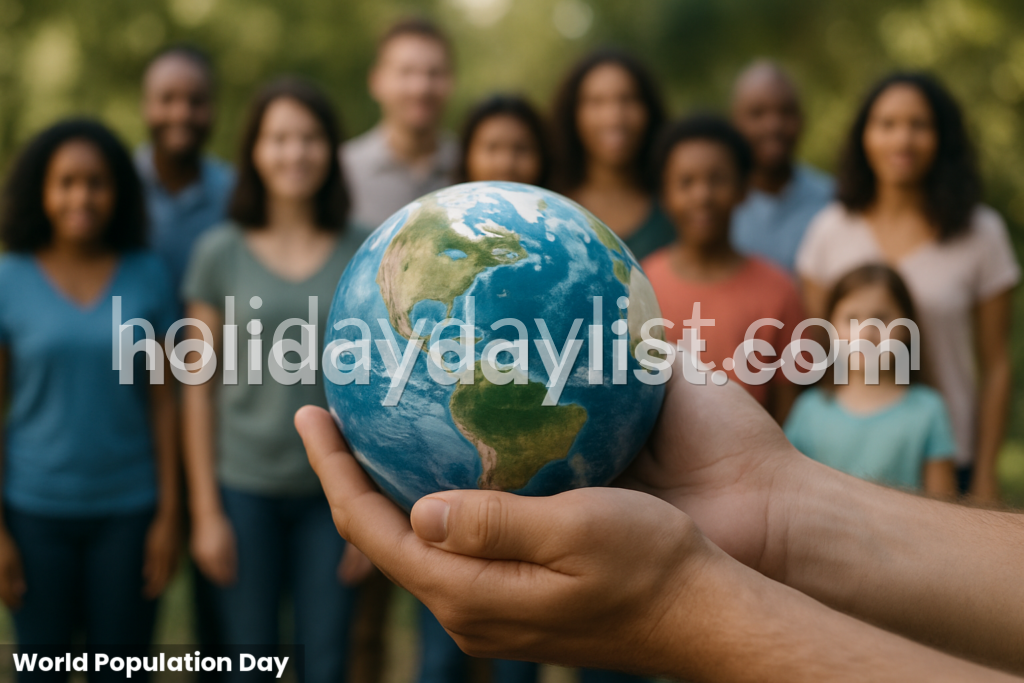
World Population Day
What Is World Population Day?
World Population Day is observed each year on July 11. It’s a chance to learn about the size and changing shape of the world’s population—and to think about how those changes affect people’s lives. The day encourages conversations about topics such as health, education, equality, family planning, and sustainable development.
Population numbers can sound abstract, but every number represents a person with hopes, needs, and a place in a community. World Population Day invites us to look beyond statistics and consider how people can have the opportunity to live healthy, secure, and fulfilling lives.
How the Day Began
World Population Day was established by the United Nations Development Programme in 1989. The date was inspired by the moment the global population was estimated to reach five billion, on July 11, 1987. The milestone drew attention to population growth and the questions it raised about people, resources, and the future.
Since then, the day has become an annual opportunity to share information and highlight population-related issues. Its focus can shift from year to year, reflecting challenges and priorities around the world. The central idea remains the same: people should be at the heart of conversations about development.
Why Population Matters
Population change is about more than whether the number of people is growing or shrinking. It also includes where people live, how old they are, and how communities change over time. Some places have a large number of young people, while others have growing older populations. Migration, longer life spans, and changing birth rates can all shape a community’s needs.
Those changes can influence what communities need to plan for, including schools, healthcare, housing, transportation, and jobs. They can also affect how countries prepare for the future. Understanding population trends helps leaders and communities make better-informed decisions—but the goal is not to treat people as numbers. It is to make sure everyone has the chance to participate and thrive.
World Population Day also highlights the importance of reproductive health and the ability to make informed choices about whether and when to have children. Access to accurate information, healthcare, and education can make a meaningful difference in people’s well-being and opportunities.
Ways to Observe World Population Day
You don’t need to be a statistician to take part. A little curiosity and a thoughtful conversation are a good place to begin.
- Explore the numbers. Look up reliable population information from the United Nations or your national statistics agency. Notice how age, location, and other details add context to a total.
- Learn about your community. Find out how your town or city is changing. Are new homes, schools, or services being planned? What needs do local residents say are important?
- Talk about access to education and healthcare. These topics affect people and families everywhere. Share trustworthy resources and listen to perspectives different from your own.
- Support local organizations. Community groups that work in public health, education, family services, or newcomer support may welcome volunteers or donations.
- Bring the topic to the classroom. Students can compare population patterns in different regions, make simple charts, or discuss how communities can plan for the future while caring for people and the environment.
A Day About People—and Possibility
World Population Day is not a celebration of one particular population size. It is a reminder to ask how the world can support the people who live in it, today and in the years ahead. That means considering fairness, opportunity, health, and the responsible use of resources.
On July 11, take a moment to learn something new about the people and places that make up our world. Behind every population trend are individual lives—and a shared opportunity to build communities where more people can flourish.
When is World Population Day?
- Sunday, July 11, 2027
- Tuesday, July 11, 2028
- Wednesday, July 11, 2029