World Interfaith Harmony Week
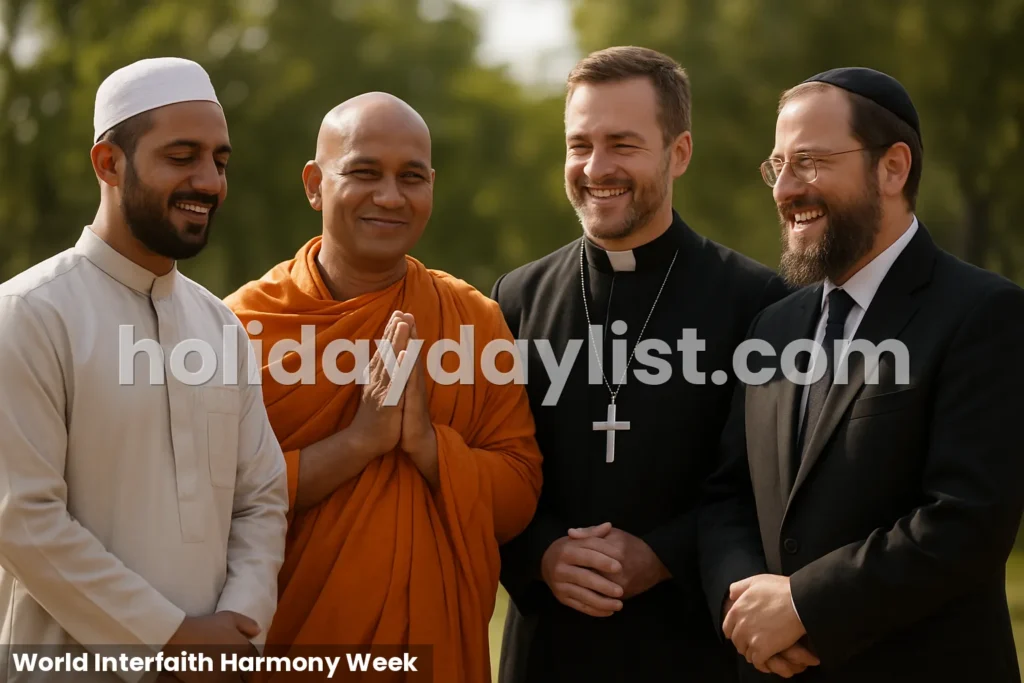
World Interfaith Harmony Week begins on February 1 each year. It is a global observance that encourages people of different faiths—and people with no religious affiliation—to meet, listen to one another, and build peaceful relationships. The week offers a chance to celebrate shared values while making room for the beliefs and traditions that make communities diverse.
How World Interfaith Harmony Week started
World Interfaith Harmony Week was established by the United Nations General Assembly, with the first observance held in 2011. The resolution invited countries to support events during the first week of February that promote harmony among people of different religions, faiths, and beliefs.
The observance is connected to the “Common Word” initiative, an interfaith effort that highlighted shared principles found in Islam and Christianity: love of God and love of one’s neighbor. The week’s message is broad, however. It encourages respectful conversation and cooperation across religious and belief communities, without asking anyone to give up their own convictions.
What the week celebrates
Interfaith harmony is not about pretending that every religion is the same. It is about treating people with dignity, learning about one another, and finding constructive ways to live and work together. Communities may have different customs, sacred texts, holidays, and ways of worship. Curiosity and courtesy can help people understand those differences without turning them into barriers.
Many faith traditions place importance on compassion, kindness, justice, generosity, or care for neighbors. These shared concerns can create common ground for practical projects, such as helping families in need, caring for a local park, or welcoming newcomers. At the same time, genuine dialogue makes space for differences and lets people speak for themselves about what their beliefs mean to them.
World Interfaith Harmony Week can be observed in many ways. A community might host a discussion, an open house at a place of worship, a shared meal, or a service project. Schools, libraries, and neighborhood groups can also use the week to explore how religious and cultural traditions shape people’s lives. The most meaningful activities are welcoming, thoughtful, and open to sincere questions.
Ways to take part
- Attend an interfaith event. Look for a local conversation, open house, concert, or community gathering. If you are visiting a place of worship, check its visitor guidelines and dress expectations in advance.
- Invite someone to share a tradition. Ask a friend or neighbor what a holiday, meal, or custom means to them. Listen with interest, and avoid assuming that one person speaks for an entire faith.
- Share a meal. Invite people with different backgrounds to bring a favorite dish and explain its connection, if any, to a family or cultural tradition. Ask about dietary needs before planning the menu.
- Choose a shared service project. Gather neighbors to prepare care packages, collect useful supplies, or improve a shared outdoor space. Working side by side can make conversation feel natural.
- Explore with care. Visit a library or use reliable educational resources to learn about a tradition you know little about. Focus on materials created by people who practice that faith, and remember that communities are diverse.
- Make room for respectful questions. In a conversation, ask open-ended questions, speak from your own experience, and give others the chance to pass on a topic. A welcoming exchange does not require agreement on everything.
Last updated October 19, 2026.
When is World Interfaith Harmony Week?
World Interfaith Harmony Week: Every year on February 1 (for 6 days).
| Year | Date | Day of the week |
|---|---|---|
| 2027 | February 1 – February 6 | Monday – Saturday |
| 2028 | February 1 – February 6 | Tuesday – Sunday |
| 2029 | February 1 – February 6 | Thursday – Tuesday |
| 2030 | February 1 – February 6 | Friday – Wednesday |
| 2031 | February 1 – February 6 | Saturday – Thursday |
Frequently asked questions
When is World Interfaith Harmony Week in 2027?
World Interfaith Harmony Week is on Monday, February 1, 2027. After that, it falls on Tuesday, February 1, 2028. Every year on February 1 (for 6 days).
Is World Interfaith Harmony Week a public holiday?
No. World Interfaith Harmony Week is an observance, not an official public holiday, so schools and businesses stay open as usual.
How did World Interfaith Harmony Week begin?
The United Nations General Assembly established it in 2010, and the first observance took place in 2011. It is connected to the “Common Word” initiative, which highlighted shared principles in Islam and Christianity.
What does World Interfaith Harmony Week celebrate?
It celebrates respectful relationships among people of different faiths and people with no religious affiliation. The week encourages learning about differences, recognizing shared values, and working together without asking anyone to give up their beliefs.
How can people take part in World Interfaith Harmony Week?
People can attend an interfaith event, share a meal, invite someone to explain a tradition, or join a community service project. Welcoming conversations and thoughtful questions are also ways to take part.