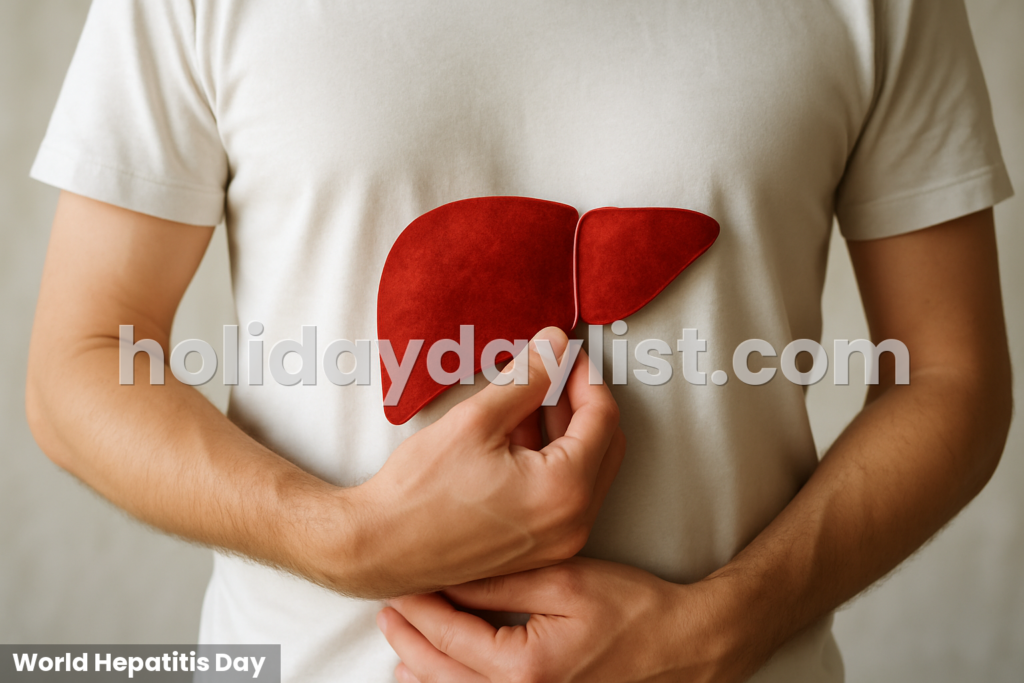
World Hepatitis Day
World Hepatitis Day, observed each year on July 28, shines a spotlight on a group of diseases that affect millions of people around the world. It’s a day for sharing reliable information, encouraging testing and vaccination, and reminding people that hepatitis can often be prevented or treated. It’s also an opportunity to replace stigma with understanding and support.
What is hepatitis?
Hepatitis means inflammation of the liver. It can have different causes, including viruses, alcohol, certain medicines, and other health conditions. Viral hepatitis is commonly grouped into types A, B, C, D, and E. They differ in how they spread, how they affect the body, and how they can be prevented or treated.
Some types may cause short-term illness, while others can become chronic and damage the liver over time. Many people with hepatitis have few or no symptoms, so they may not know they have it. When symptoms do occur, they can include tiredness, nausea, stomach discomfort, fever, or yellowing of the skin and eyes. Symptoms alone can’t confirm hepatitis; a healthcare professional can advise on testing.
Why July 28?
World Hepatitis Day is held on July 28 in honor of the birthday of Dr. Baruch Blumberg, whose scientific work contributed to the discovery of the hepatitis B virus and the development of a vaccine. The date connects the observance with progress in research—and with the continuing effort to make prevention, testing, and care available to everyone who needs them.
Prevention and care make a difference
There is no single prevention plan for every type of hepatitis. Vaccines can protect against hepatitis A and B, and vaccination against hepatitis B also prevents hepatitis D. Hepatitis C has no vaccine, but effective treatments can cure most infections. Other protective steps may include practicing good hand hygiene, using safe food and water, and following medical guidance about blood and sexual health risks. The right advice depends on a person’s health, circumstances, and location.
Testing is important because hepatitis can go unnoticed. A healthcare professional can explain which tests are appropriate, how often they may be needed, and what the results mean. If someone tests positive, medical care can help them understand treatment options and protect their health. People should not stop or start medicines based on general information online; a qualified clinician can offer advice tailored to them.
Ways to mark World Hepatitis Day
- Learn the basics. Explore information from trusted public health organizations, and share facts rather than rumors.
- Ask about vaccination. Check with a healthcare professional about hepatitis A or B vaccines and whether they’re recommended for you or your family.
- Talk about testing. If you have questions about your risk or screening, bring them to a doctor, clinic, or other qualified health professional.
- Support respectful care. Listen without judgment and help challenge myths that can make people feel isolated or reluctant to seek care.
- Share the message. A conversation, community notice, or thoughtful post can encourage someone to find accurate information or ask for support.
A day for awareness and hope
World Hepatitis Day is a reminder that liver health is part of overall health, and that knowledge can open the door to prevention and care. The many types of hepatitis may require different approaches, but clear information and compassionate support matter for all of them. By learning, asking questions, and treating people with respect, we can help make a healthier future possible—one conversation at a time.
When is World Hepatitis Day?
- Wednesday, July 28, 2027
- Friday, July 28, 2028
- Saturday, July 28, 2029
