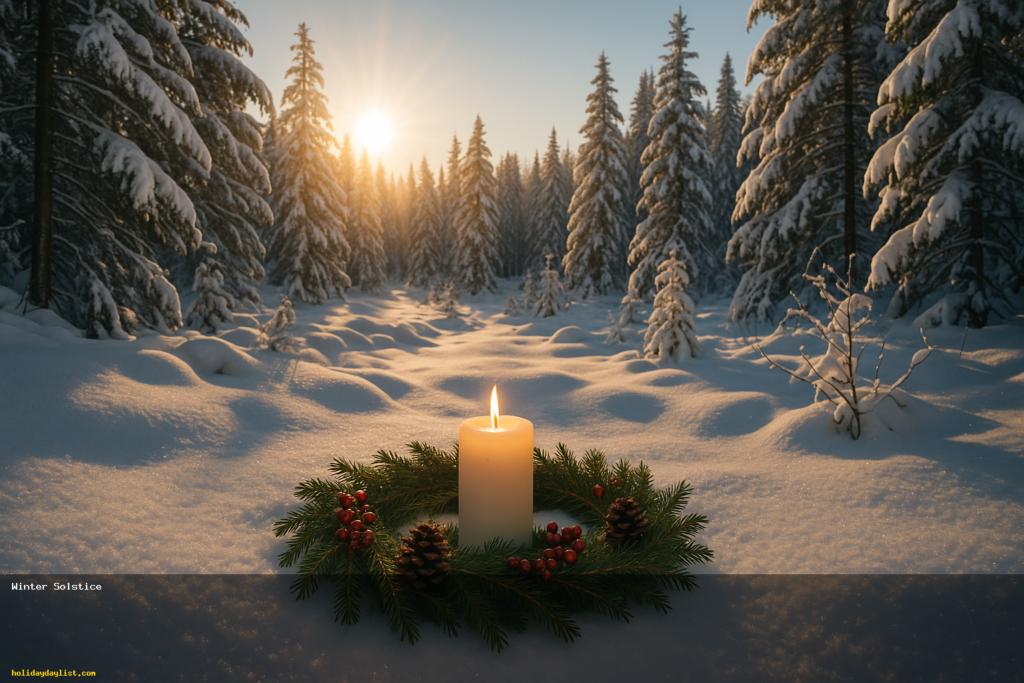
Winter Solstice
Embracing the Winter Solstice: A Celebration of Light and Reflection
Every year, around December 21, the Winter Solstice arrives, marking the shortest day and longest night of the year in the Northern Hemisphere. This beautifully unique celestial event has been acknowledged and celebrated by cultures around the world for centuries, serving as a moment to pause, reflect, and embrace the returning light.
History and Origins
The Winter Solstice has roots that stretch back to ancient civilizations. From the early Romans celebrating Saturnalia to the Norse honoring Yule, people have come together to mark this turning point in the solar cycle. The event was seen as a time of rebirth, as each day following the solstice would bring slightly longer daylight hours, symbolizing hope and renewal.
Indigenous cultures, too, have deep connections with this time of year. Many tribes view the Winter Solstice as a sacred moment to honor the spirits and the land, often holding ceremonies and feasts around this time. By connecting with the rhythms of nature, these traditions remind us of our place within the greater universe.
Why It Matters
The Winter Solstice offers an opportunity for introspection and gratitude. As the days slowly begin to lengthen, we are reminded of the transitions in our own lives. It is a perfect time to pause and reflect on the past year, acknowledging both the challenges and successes. This season encourages us to celebrate the light, both literally and metaphorically, by recognizing what we cherish most in our lives.
Fun Facts About the Winter Solstice
- The word “solstice” comes from the Latin roots “sol,” meaning sun, and “sistere,” meaning to stand still. This reflects the sun’s position in the sky, which appears to stand still at its lowest point during this time.
- In some parts of the world, like Stonehenge in England, ancient monuments have been aligned to capture the sun’s rays during the solstice, highlighting its significance in ancient engineering and astronomy.
- Countries in the Southern Hemisphere celebrate their longest day of the year during the Winter Solstice, making it a time for quite different festivities!
Ways to Celebrate the Winter Solstice
Whether you’re looking to embrace ancient traditions or create your own new customs, here are some fun ideas to mark the Winter Solstice festivities with your family and friends:
- Host a Solstice Celebration: Gather with loved ones for an evening of storytelling, music, and feasting. Include seasonal foods like roasted vegetables, hearty soups, and warm drinks to celebrate the bounty of the season.
- Light a Candle: Create a warm and inviting atmosphere by lighting candles to symbolize the return of light. This simple act can be a meaningful reminder of hope and renewal.
- Nature Walk: Step outside and take a walk in nature, honoring the stillness and beauty of winter. Collect pine cones, leaves, or other natural items to decorate your home and bring a piece of nature indoors.
- Reflect and Introspect: Spend some time journaling about the lessons you’ve learned in the past year and the goals you want to set for the upcoming year. This practice can help you embrace the transition gracefully.
- Create a Winter Altar: Build a small altar or table centerpiece that reflects your winter themes. Use items like evergreen branches, crystals, candles, or photos that represent what you’re grateful for.
In Closing
The Winter Solstice invites us to slow down, reflect, and honor both light and darkness. As we gather together in celebration, we engage with traditions that have transcended time, connecting us with our ancestors and with the earth itself. So this December 21, whether through quiet reflection or joyous festivities, embrace the beauty of the Winter Solstice and welcome the return of the sun!
Last updated October 3, 2026.
When is Winter Solstice?
Winter Solstice: Every year on December 21.
| Year | Date | Day of the week |
|---|---|---|
| 2026 | December 21 | Monday |
| 2027 | December 21 | Tuesday |
| 2028 | December 21 | Thursday |
| 2029 | December 21 | Friday |
| 2030 | December 21 | Saturday |
Frequently asked questions
When is Winter Solstice in 2026?
Winter Solstice is on Monday, December 21, 2026. After that, it falls on Tuesday, December 21, 2027. Every year on December 21.
Is Winter Solstice a public holiday?
No. Winter Solstice is an observance, not an official public holiday, so schools and businesses stay open as usual.