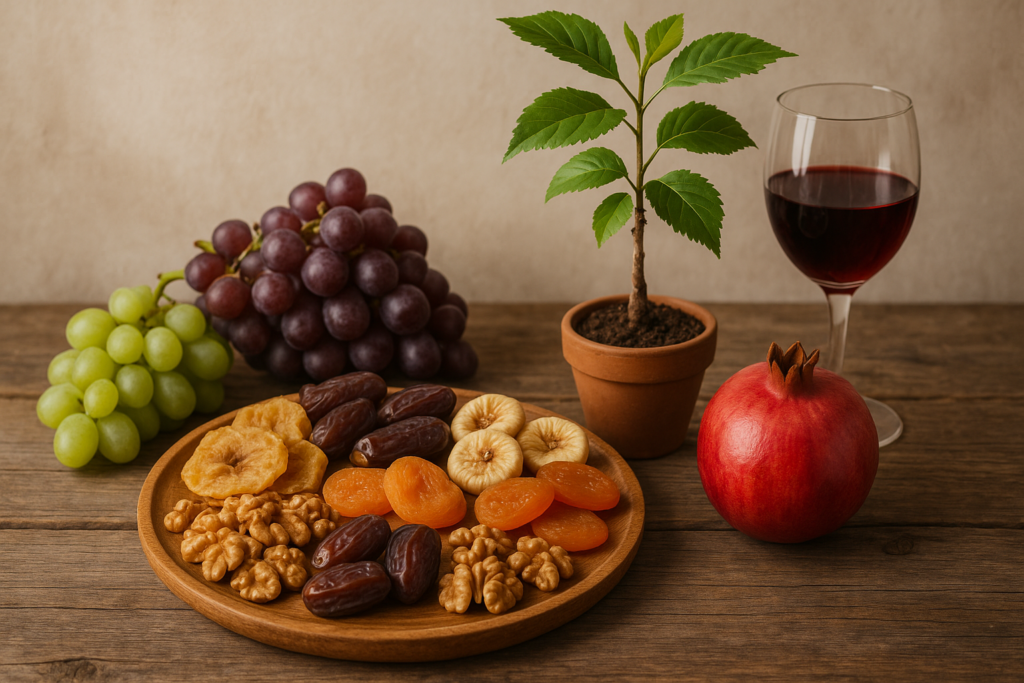
Tu BiShvat
Celebrating Tu BiShvat: The New Year for Trees
This special day is known as Tu BiShvat, or the New Year for Trees, a joyful occasion that highlights nature’s bounty and encourages appreciation for the environment. This holiday is an important part of Jewish tradition, connecting people with the earth and reminding us of our responsibility to take care of it.
The Roots of Tu BiShvat
Tu BiShvat falls on the 15th day of the Hebrew month of Shevat, which usually corresponds to late January or early February on the Gregorian calendar. The holiday’s origins can be traced back to ancient times when it was established as a way to determine the age of trees for agricultural and religious purposes, particularly regarding the tithes that were given to priests and the poor.
In the Middle Ages, the celebration took on a more ecological significance, as the Kabbalists of Safed promoted a mystical appreciation for trees and nature in their teachings. Today, Tu BiShvat has evolved into a day of environmental awareness, encouraging people to plant trees and celebrate the natural world.
Why Tu BiShvat Matters
Tu BiShvat is more than just a day on the calendar; it’s a reminder of the connection between humanity and the environment. As we recognize the importance of trees and the natural world, we also reflect on our responsibilities to preserve and protect it. With increasing concerns about climate change and environmental degradation, Tu BiShvat serves as an opportunity to create awareness and motivate people to partake in eco-friendly activities.
Fun Facts About Tu BiShvat
- Fruit Feast: Eating fruits, especially those that are native to the Land of Israel—like figs, dates, grapes, and pomegranates—is a central tradition. These fruits symbolize the bounty of nature and the cycle of life.
- Planting Trees: Many communities participate in tree-planting events on Tu BiShvat, making it a significant occasion for environmental action.
- Four Species: A tradition during the Tu BiShvat Seder involves sampling four different types of fruits and nuts, each representing different spiritual qualities and aspects of creation.
- Eco-Consciousness: In recent years, Tu BiShvat has become a day for environmental activism, where communities engage in activities like cleaning parks and promoting sustainability efforts.
Ways to Celebrate Tu BiShvat
Whether you’re familiar with Tu BiShvat or experiencing it for the first time, there are many delightful ways to celebrate this special day!
- Host a Tu BiShvat Seder: Gather family and friends for a Seder dinner featuring various fruits and wines. Symbolically eat the fruits in order of their significance and share stories or prayers reflecting on nature.
- Plant Trees: Nothing says Tu BiShvat like planting a tree! Organize a planting event in your community, or if you don’t have access to a space, consider supporting organizations that plant trees in your honor.
- Nature Walk: Take a stroll in a local park or nature reserve. Use this time to appreciate the trees and plants around you and perhaps engage in some clean-up activities to help preserve them.
- Learn and Share: Dive into the teachings surrounding Tu BiShvat. Share interesting facts and the significance of the holiday with friends or through social media to spread awareness.
- Crafts and Arts: Get creative! Use branches, leaves, and fruits to create art projects with children as a fun way to celebrate nature and learn about plant life.
Last updated October 19, 2026.
When is Tu BiShvat?
Tu BiShvat: Date changes every year (it follows a lunar or religious calendar).
| Year | Date | Day of the week |
|---|---|---|
| 2027 | January 23 | Saturday |
Frequently asked questions
When is Tu BiShvat in 2027?
Tu BiShvat is on Saturday, January 23, 2027. Date changes every year (it follows a lunar or religious calendar).
Is Tu BiShvat a public holiday?
No. Tu BiShvat is an observance, not an official public holiday, so schools and businesses stay open as usual.