International Mother Language Day
Celebrating International Mother Language Day
Every year, on February 21st, people around the globe come together to celebrate International Mother Language Day. This special day honors the importance of language and cultural diversity, while promoting multilingualism and linguistic rights. It’s a time to appreciate not only the languages we speak but also the cultures they represent.
The Origins of International Mother Language Day
International Mother Language Day was proclaimed by UNESCO (the United Nations Educational, Scientific and Cultural Organization) in 1999. The date was chosen to commemorate a tragic event in Bangladesh, where students and activists fought for the recognition of their native Bangla language in the early 1950s. On February 21, 1952, peaceful protesters were met with brutal force, an event that ultimately laid the foundation for the celebration of linguistic heritage worldwide.
In 2000, the day gained official recognition in the United Nations system, marking it as a date to promote awareness of the importance of preserving and protecting all languages and linguistic diversity. Since then, International Mother Language Day has gained momentum, highlighting the vital roles languages play in our lives.
Why It Matters
Languages are a key part of our cultural identity. They carry unique expressions, knowledge, and traditions that have been passed down through generations. By promoting mother languages, we are helping to foster cultural diversity and encouraging respect for linguistic heritage. Here are a few reasons why International Mother Language Day is so significant:
- Cultural Preservation: Linguistic diversity is key to cultural variety. Celebrating mother languages helps preserve traditions, stories, and practices that might otherwise fade away.
- Social Inclusion: Encouraging the use of mother languages in education and public life can lead to greater social inclusion, allowing diverse communities to thrive and interact more effectively.
- Better Learning: Children learn best in their mother tongue. Recognizing and supporting the use of mother languages in educational settings can enhance educational outcomes and cognitive development.
Fun Facts About International Mother Language Day
Did you know these fascinating tidbits about languages and International Mother Language Day?
- There are approximately 7,000 languages spoken across the globe today!
- Languages can dramatically shape the way we think. Some researchers argue that the structure of a language influences its speakers’ perceptions and interpretations of the world.
- The most spoken languages in the world are English, Mandarin Chinese, Hindi, Spanish, and Arabic, but many indigenous languages are at risk of extinction and desperately need preservation.
- Globally, 40% of people do not have access to education in their mother tongue, leading to a significant gap in learning opportunities.
- International Mother Language Day’s theme changes each year to discuss relevant issues surrounding language, identity, and education!
How to Celebrate International Mother Language Day
Participating in International Mother Language Day is a great way to recognize and celebrate the languages that form a connection to your cultural roots. Here are some fun and engaging ways to honor this special day:
- Language Learning: Take some time to learn a few words or phrases in a language that interests you or even delve into your own native tongue.
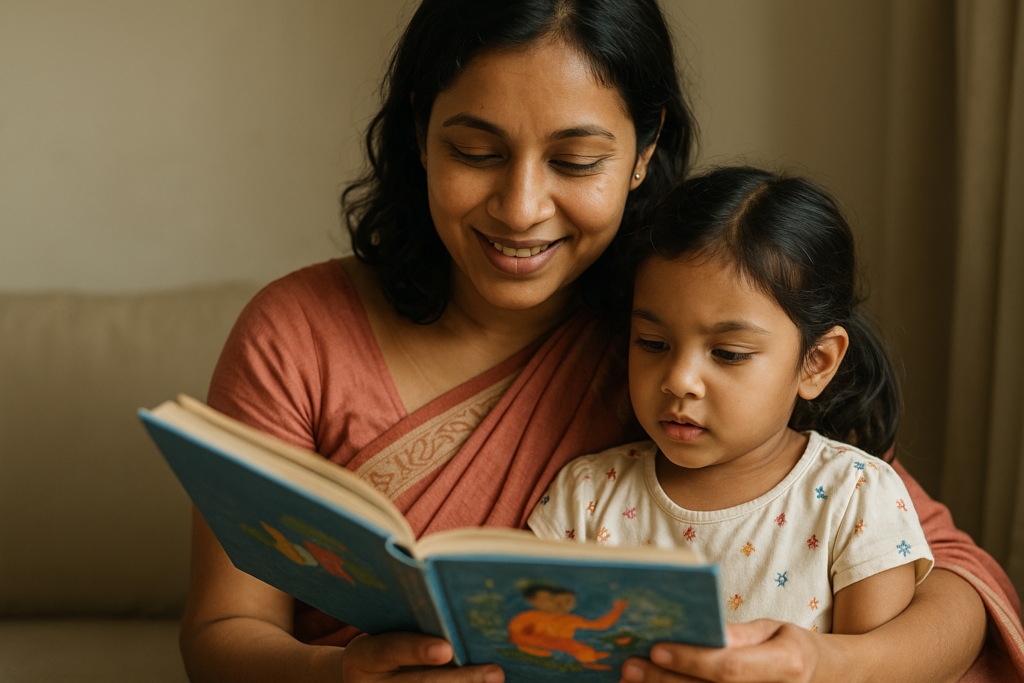
- Storytime: Share or listen to stories in your mother language. This could involve reading books, sharing anecdotes, or telling folktales that have been passed down through generations.
- Cultural Show: Organize or attend local cultural events featuring dance, music, and performances in different languages. Celebrating diversity through art is a powerful way to connect!
- Community Classes: Join or offer community classes that focus on teaching mother languages. Sharing your knowledge can empower others and strengthen community bonds.
- Social Media: Use your platforms to share facts about your mother language, post videos, or even share the significance of International Mother Language Day using hashtags!
In Conclusion
International Mother Language Day is more than just a celebration of languages; it’s an invitation to acknowledge and appreciate the cultural richness they offer. Whether you choose to learn a new language, share stories, or participate in cultural activities, this day provides an excellent opportunity to connect with your heritage and promote linguistic diversity. So, mark your calendars for February 21st, and let the world know the importance of mother languages!
Last updated October 3, 2026.
When is International Mother Language Day?
- Sunday, February 21, 2027
- Monday, February 21, 2028
- Wednesday, February 21, 2029
Frequently asked questions
When is International Mother Language Day in 2027?
International Mother Language Day is on Sunday, February 21, 2027. After that, it falls on Monday, February 21, 2028. Every year on February 21.
Is International Mother Language Day a public holiday?
No. International Mother Language Day is an observance, not an official public holiday, so schools and businesses stay open as usual.