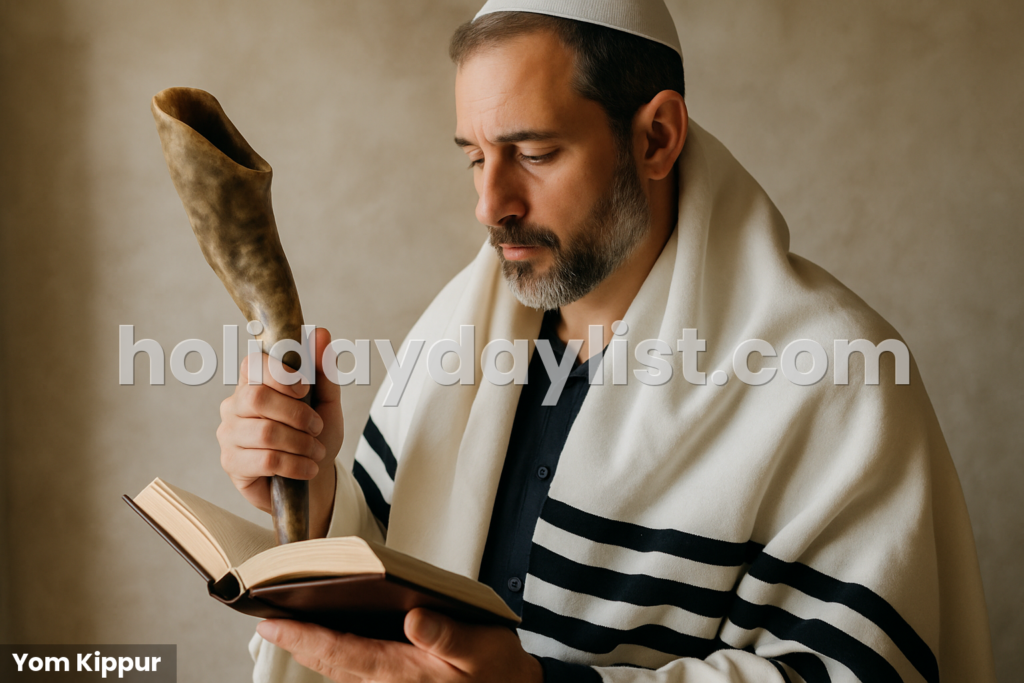
Yom Kippur
Yom Kippur: A Day for Reflection and Renewal
Yom Kippur, often called the Day of Atonement, is one of the holiest days in Judaism. It is a time for reflection, prayer, and seeking forgiveness—a meaningful pause to consider how we have treated others and how we might do better in the year ahead. Yom Kippur is observed on the 10th day of the Hebrew month of Tishrei. Its date on the Gregorian calendar changes from year to year; in some years, it falls on September 21.
What Does Yom Kippur Mean?
The name “Yom Kippur” comes from Hebrew words associated with the day of atonement. It follows Rosh Hashanah, the Jewish New Year, and concludes the High Holy Days, also known as the Ten Days of Repentance. In Jewish tradition, these days offer a special opportunity to take stock, make amends, and begin again with a clearer sense of purpose.
For many Jewish people, the observance includes attending synagogue services, reciting prayers, and reflecting on personal actions. A central idea is teshuvah, often translated as repentance or return: recognizing a mistake, expressing sincere regret, making an effort to repair harm, and choosing a better path. Forgiveness is not treated as a shortcut around responsibility. When someone has been hurt, making amends can be an important part of the process.
Traditions of the Day
Yom Kippur begins at sundown and ends after nightfall the following day. Many observant adults mark the roughly 25-hour period with a fast from food and drink, though fasting is not appropriate for everyone. Jewish law recognizes that protecting health comes first, and people with medical needs, children, pregnant people, and others may follow different guidance. Anyone unsure should consult a trusted rabbi and healthcare professional.
Synagogue services are an important part of the day for many communities. The evening service often includes Kol Nidre, a solemn and well-known prayer. Another distinctive service, Ne’ilah, takes place near the end of Yom Kippur. The day closes with the sounding of the shofar, a ram’s horn, marking the end of the fast and the transition back to ordinary routines.
Why Yom Kippur Matters
Although its traditions are deeply rooted in Jewish faith, Yom Kippur’s themes can resonate widely. It invites people to look inward without getting stuck in guilt: What do I regret? Whom do I need to listen to, apologize to, or help? What small change could make my relationships kinder and more honest?
The day also emphasizes that reflection is most meaningful when it leads to action. A sincere apology might be followed by changed behavior. A commitment to generosity might become a regular habit. In this way, Yom Kippur is not only about looking back—it is also about deciding how to move forward.
Ways to Learn and Show Respect
- Learn about the holiday. Explore a reliable Jewish source or ask a friend, educator, or community member who is comfortable sharing.
- Be considerate. If someone you know is observing, remember that they may be fasting, attending services, or taking a quiet day offline.
- Make room for reflection. You can think about a relationship you would like to mend or a habit you hope to improve—without assuming that your personal practice is the same as Yom Kippur.
- Offer warm wishes. “Have an easy fast” is a common greeting for those who fast. “G’mar chatimah tovah,” a traditional Hebrew greeting, expresses a wish for a good sealing in the Book of Life.
Yom Kippur is a solemn day, but its message is ultimately hopeful: people can acknowledge what went wrong, work to make things right, and choose to begin again. Whether observed through prayer, fasting, community, or quiet contemplation, it offers a powerful reminder that reflection can open the door to renewal.
Last updated September 21, 2026.
When is Yom Kippur?
Yom Kippur: Date changes every year (it follows a lunar or religious calendar).
| Year | Date | Day of the week |
|---|---|---|
| 2027 | October 11 | Monday |
Frequently asked questions
When is Yom Kippur in 2027?
Yom Kippur is on Monday, October 11, 2027. Date changes every year (it follows a lunar or religious calendar).
Is Yom Kippur a public holiday?
No. Yom Kippur is an observance, not an official public holiday, so schools and businesses stay open as usual.