Passover (Pesach)
Celebrating Passover: A Journey of Freedom and Family
Every spring, families around the world gather to commemorate Passover (Pesach), a significant Jewish holiday that usually falls in March or April. The date changes every year because Passover follows a lunar or religious calendar. This eight-day festival marks the story of the Exodus, during which the Israelites were freed from slavery in Egypt. With its rich traditions, historical significance, and communal spirit, Passover is not just a time for reflection but also a joyous occasion filled with family gatherings, delicious food, and meaningful rituals.
The Historical Significance of Passover
Passover traces its roots back to the biblical story of the Exodus, where the Israelites fled from oppression in Egypt. The holiday gets its name from the Hebrew word “Pesach,” meaning “to pass over” or “to spare.” According to the Torah, the Israelites marked their doors with lamb’s blood so that the Angel of Death would “pass over” their homes during the last of the ten plagues, sparing their firstborns. This act of faith led to their liberation and subsequent journey to the Promised Land.
Why Passover Matters
Passover is more than just a commemoration of a historical event; it serves as a poignant reminder of resilience, freedom, and the importance of hospitality and community. The themes of liberation and remembrance resonate deeply within Jewish culture, highlighting the ongoing struggle against oppression throughout history. It encourages individuals not only to reflect on the past but also to consider current social justice issues, ensuring that the lessons of Passover continue to inspire future generations.
Delicious Traditions: The Passover Seder
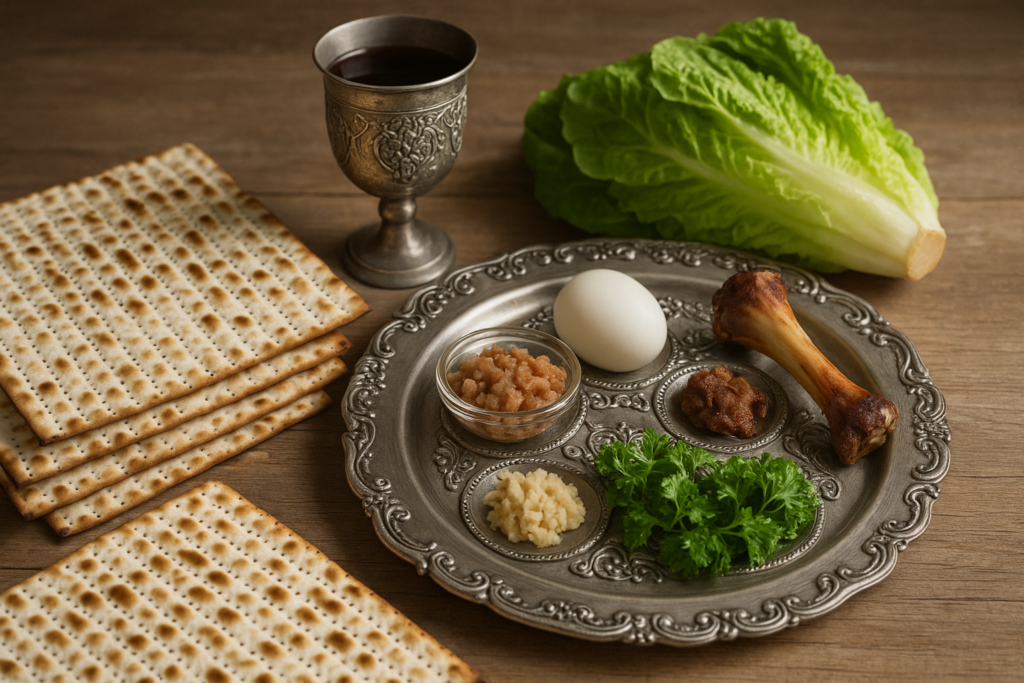
One of the most cherished traditions of Passover is the Seder, a ceremonial dinner held on the first two nights of the holiday. The Seder is a time for family and friends to come together, retell the story of the Exodus, and enjoy a festive meal that adheres to dietary restrictions observed during Passover. Here are some key components of the Seder:
- Matzah: Unleavened bread symbolizing the haste with which the Israelites left Egypt.
- Maror: Bitter herbs, usually horseradish, representing the bitterness of slavery.
- Karpas: A vegetable, often parsley, dipped in salt water to symbolize the tears of the slaves.
- Charoset: A sweet mixture of apples, nuts, and wine that represents the mortar used by the slaves in building.
The Seder plate, which displays these symbolic foods, is an integral part of the meal. At the Seder, families recite prayers, sing songs, and engage in discussion, allowing everyone to participate in the storytelling aspect of the holiday.
Ways to Celebrate Passover
Whether you are observing Passover for the first time or are a seasoned participant, here are some festive ways to celebrate:
- Host a Seder: Invite family and friends to share in the Passover Seder, ensuring that everyone feels included and connected to the traditions.
- Attend a Community Event: Many synagogues and community centers hold public Seders and educational programs during Passover.
- Cook Traditional Dishes: Explore traditional Passover recipes like brisket, kugel, or flourless chocolate cake to enjoy during the holiday.
- Engage in Tikkun Olam: Take this opportunity to give back by volunteering or supporting local organizations that align with the themes of freedom and justice.
Fun Passover Facts
Here are some delightful fun facts about Passover that might surprise you:
- The Haggadah, the book read during the Seder, has been translated into over 300 languages!
- Passover is one of three major Jewish festivals (alongside Shavuot and Sukkot) that includes a pilgrimage to Jerusalem in ancient times.
As Passover approaches, it’s essential to embrace the holiday’s profound message of freedom and community. Whether through storytelling, sharing meals, or helping those in need, everyone can participate in the spirit of Pesach. So gather your loved ones, prepare a meaningful Seder plate, and let the countdown to freedom begin!
Last updated October 19, 2026.
When is Passover (Pesach)?
Passover (Pesach): Date changes every year (it follows a lunar or religious calendar).
| Year | Date | Day of the week |
|---|---|---|
| 2027 | April 22 – April 29 | Thursday – Thursday |
Frequently asked questions
When is Passover (Pesach) in 2027?
Passover (Pesach) is on Thursday, April 22, 2027. Date changes every year (it follows a lunar or religious calendar).
Is Passover (Pesach) a public holiday?
No. Passover (Pesach) is an observance, not an official public holiday, so schools and businesses stay open as usual.